The quality of a research report is set by the brief. Define the decision, the scope and the sources you trust before you start.
Start with the decision
“Research project management tools” produces a brochure. “I run a 6-person agency; recommend a project tool under $15/user that handles client approvals” produces something useful.
A research brief template
Decision I need to make: [decision]. Context: [who, size, constraints]. Scope: [regions, dates, what to exclude]. Prefer sources: [official docs, peer-reviewed, recent]. Output: an executive summary, a comparison table, key risks and a recommendation, with citations for every factual claim.
Answer its clarifying questions well
Deep Research often asks questions before starting. Treat them seriously — they shape hours of browsing. Short, specific answers keep the report focused.
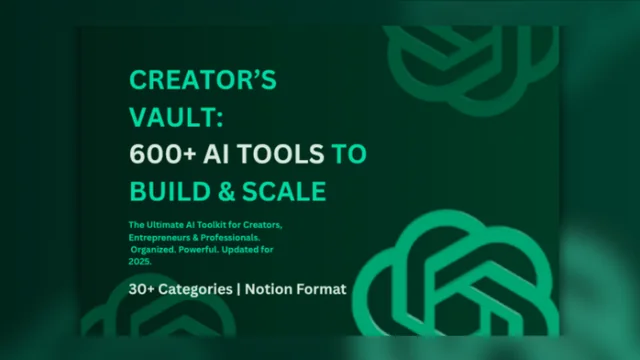
Creator’s AI Tools Vault
600+ handpicked AI tools in 30+ searchable categories, ready in Notion.
$15 · Look insideVerify like an editor
- Open the three citations your decision depends on.
- Check dates: pricing and features change monthly.
- Look for claims with no citation and ask for one.
- Ask: “What would change your recommendation?”
Turn research into action
End with: “Turn this into a one-page decision memo with next steps and owners.” Research only matters if it changes what you do.
Building a tool stack? The Creator’s Vault lists 600+ AI tools by category to cross-check recommendations.
Put it into practice
Open the free AI Output Checker: review an AI answer before you trust it. This article is part of The Complete ChatGPT Guide (2026 Edition).
Sources & further reading
Product facts were checked against official sources on 16 October 2026. AI tools change quickly, so check the provider’s current documentation for anything you rely on. Our editorial policy.