
Mediocre output is usually missing information, not a weak model. Add audience, purpose, constraints, an example and a format, then ask for a critique.
Reason 1: the model is guessing your audience
“Write a LinkedIn post about productivity” could be for students, CEOs or nurses. When you leave the audience out, the model writes for everyone — which means no one. Name who will read it and what they already know.
Reason 2: no purpose
Are you trying to get replies, sell, teach or reassure? A clear goal changes structure, length and call to action. Add one line: “The goal is to get readers to book a free call.”
Reason 3: no constraints
Length, reading level, words to avoid, required points and format are constraints. Without them, models default to safe, padded text. Constraints feel limiting but they are what make output specific.
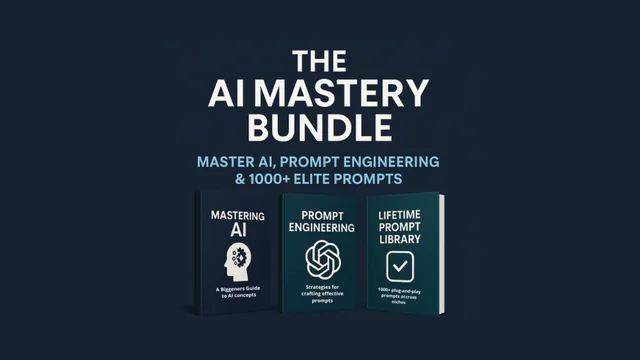
AI Mastery Bundle
The next step after the basics: frameworks, precision prompting and a 1000+ prompt library.
$50 (was $100) · Look insideReason 4: no example of “good”
Paste something you wrote that worked. The model can match rhythm, vocabulary and structure far better from one example than from “make it engaging”.
Reason 5: accepting the first draft
Professionals iterate. Ask for a critique against the brief, then a revision. Two short follow-ups usually beat rewriting the prompt from scratch.
The one-minute fix
Task: [what you want]. Audience: [who, what they know]. Goal: [what should happen after they read it]. Constraints: [length, tone, must include, avoid]. Example of the style I like: [paste]. Format: [structure]. Before writing, ask me up to two questions if anything important is missing.
Paste your prompt into our free Prompt Grader to see which of these elements it is missing.
Put it into practice
Open the free Prompt Grader: score any prompt and see exactly what to fix. This article is part of The Complete ChatGPT Guide (2026 Edition).
Sources & further reading
Product facts were checked against official sources on 16 October 2026. AI tools change quickly, so check the provider’s current documentation for anything you rely on. Our editorial policy.